Empowering Your Journey: Essential Insights on Cancer Care and Support
Navigating the cancer landscape can feel like wandering through a dense fog. You can choose to stay lost or find a way through—equipped with knowledge about oncology and the pivotal role of patient advocacy. Those two forces unite to forge paths of empowerment, resilience, and hope. Did you know that understanding cancer facts can significantly enhance treatment options? Let’s explore how we can shine a light on the realities of malignancy, from tumor research to innovative therapies, and how you can harness this knowledge for your wellness journey.
Imagine standing at a crossroads with a diagnosis of carcinoma, faced with choices like immunotherapy, chemotherapy, and radiation therapy. What should you prioritize? This is where patient advocacy steps in—arming you with essential health resources that help you make informed decisions. Survivor stories highlight that navigating the cancer journey isn’t solely a medical battle; it’s also about addressing mental health in cancer, creating lifestyle changes, and fostering a supportive environment. Questions arise: How can we blend the medical with the personal? What if a simple change in nutrition could impact your journey?
In the quest for cancer prevention, embracing a holistic health approach can make all the difference. Preventive health isn’t merely a tagline; it’s a lifestyle that unfolds through cancer screenings, disease awareness, and active participation in wellness programs. There’s power in knowledge from biomedical research; these insights illuminate effective cancer care strategies that have been proven through clinical trials. So why not weave these learned experiences into your everyday life? Start small with achievable goals like joining cancer support groups—your allies in this journey of empowerment.
Self-care becomes paramount in the face of a neoplasm diagnosis. Each piece of self-care—from practicing mindfulness to discovering new hobbies—serves as a stepping stone toward building resilience. The days when treatment feels overwhelming are the days when we must lean into our communities. Support groups offer safe spaces to share struggles and triumphs, to feel understood and uplifted by others in similar battles. So, ask yourself, how do you nurture your spirit amidst the clinical?
As we traverse this cancer landscape together, it’s essential to remember that you’re never alone. The fight against malignancy is a collective one, strengthened by shared insights within health blogs and the tireless work of medical researchers. Community-driven conversations allow for a free exchange of experiences and strategies: What worked for one, might spark solutions for another. Let’s embrace this journey of patient advocacy and healing—a voyage toward a brighter tomorrow filled with hope, strength, and unwavering support.
Empower Your Health Journey: Key Strategies for Cancer Prevention and Wellness
At its core, cancer care is about empowerment. It is the act of reclaiming control over our health in the face of adversity. With a diagnosis of malignancy, every individual is thrust into the complex world of oncology, where knowledge can serve as a powerful tool. When it comes to cancer prevention and wellness, the journey starts with understanding the multifaceted layers of our health. How do we transform uncertainty into action? By adopting key strategies that not only protect us from potential neoplasm but also enhance our overall quality of life.
One of the most critical components in the fight against cancer is preventive health. Regular cancer screenings can uncover carcinoma in its early stages, drastically improving outcomes. A proactive approach may also include discussions with healthcare professionals about risk factors and genetic predispositions. But do you know what else is equally important? Maintaining a healthy lifestyle! The role of lifestyle changes, such as nutrition and exercise, cannot be overstated. Consider this: what if your kitchen could become your first line of defense against cancer? By incorporating more whole foods rich in antioxidants and nutrients, you can boost your immune system and enhance your body's ability to combat cancer.
Equally vital is the emotional and mental well-being of those affected by cancer. Mental health in cancer care is often an overlooked aspect, yet it plays a crucial role in recovery and overall wellness. This is where cancer support groups come in. They provide a unique space not just for sharing survivor stories, but also for exchanging invaluable health resources. It is in these circles that individuals find camaraderie, understanding, and strength to navigate through the maze of biomedical research and treatment options such as immunotherapy, chemotherapy, and radiation therapy.
Beyond individual efforts lies the importance of community advocacy. Patient advocacy empowers individuals to demand better cancer care, push for advancements in clinical trials, and raise awareness about disease awareness. Engaging in wellness programs equips you with tools for self-care and lifestyle adjustments that foster resilience. As part of this dialogue, consider the role you could play in spreading awareness about cancer prevention. What if you inspired even one person to prioritize their health?
Finally, the power of knowledge is unmatched. Delving into health blogs that cover topics from the latest findings in medical research to practical tips on nutrition and cancer can be a game changer. Understanding cancer facts and the latest innovations in treatment options not only demystifies the disease but can also spur actionable change in our lives. So, as you embark on your health journey, remember: empowerment in cancer care begins with knowledge and is sustained through holistic health practices. Are you ready to take charge of your health?
From Tumor Awareness to Survivor Stories: A Holistic Approach to Cancer Support
Empowering individuals in their cancer journey often starts with knowledge. Tumor awareness is crucial not only for patients but also for their loved ones. Did you know that understanding the types of malignancies can significantly enhance one’s ability to seek appropriate cancer care? With time, our society has seen a burst of information on various cancers, from carcinoma to neoplasm, and knowing these terms can help demystify the journey ahead. It's no longer just about enduring treatments like chemotherapy or radiation therapy; it's about understanding the disease to forge a path toward recovery.
Imagine a world empowered by disease awareness where individuals no longer fear the word 'cancer'. As we gather cancer facts, it becomes clear that preventive health measures like cancer screenings play an imperative role in early detection. These small but impactful steps can drastically improve outcomes. Engaging in wellness programs that promote lifestyle changes and focusing on nutrition and cancer can empower patients in ways they never imagined. So, what if taking charge of your health involved more than just routine check-ups? What if it also meant building a community?
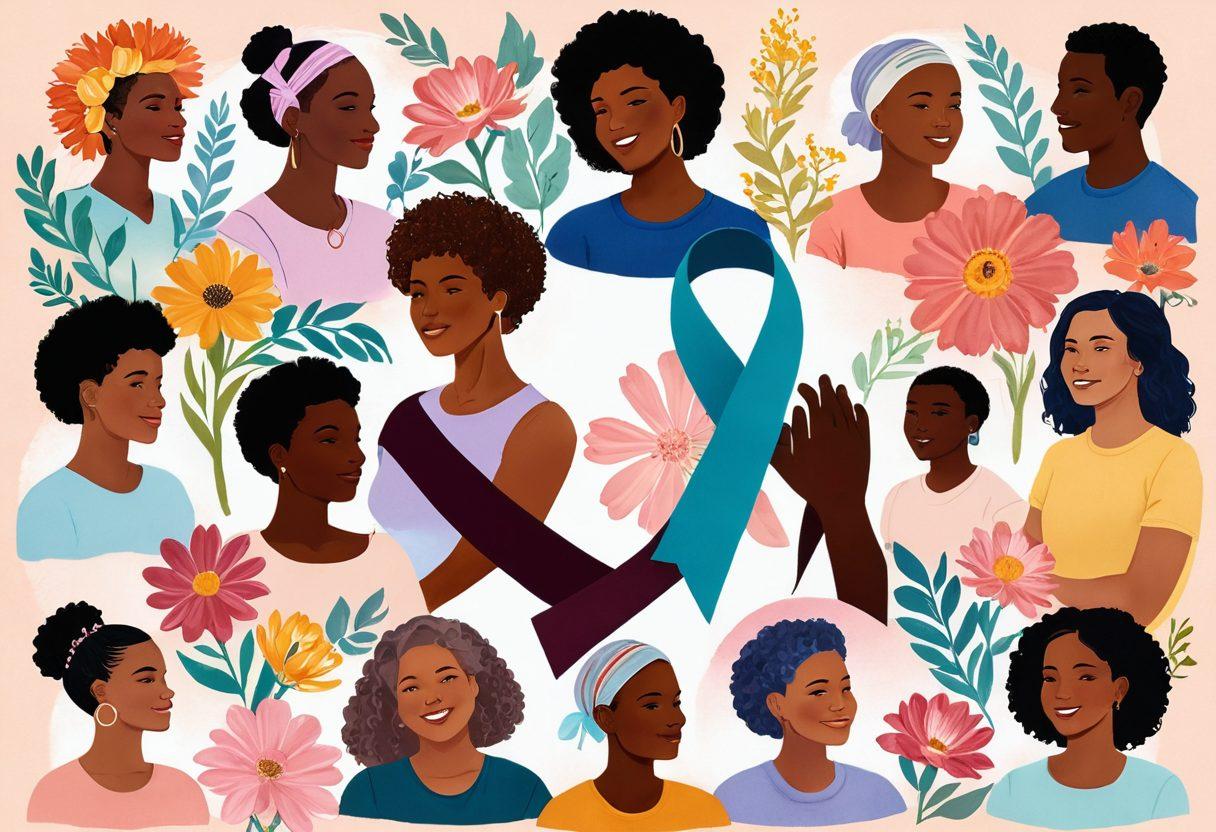
This is where cancer support groups swoop in like superheroes, offering a network of empathy and understanding. Connecting with others who have navigated similar paths can provide not only emotional relief but also insights into managing mental health in cancer. Survivor stories are a testament to resilience, reminding us all that hope thrives even in the darkest valleys. Through patient advocacy, many have found their voices, encouraging others to seek resources, whether through health blogs or biomedical research, ensuring that no one feels isolated.
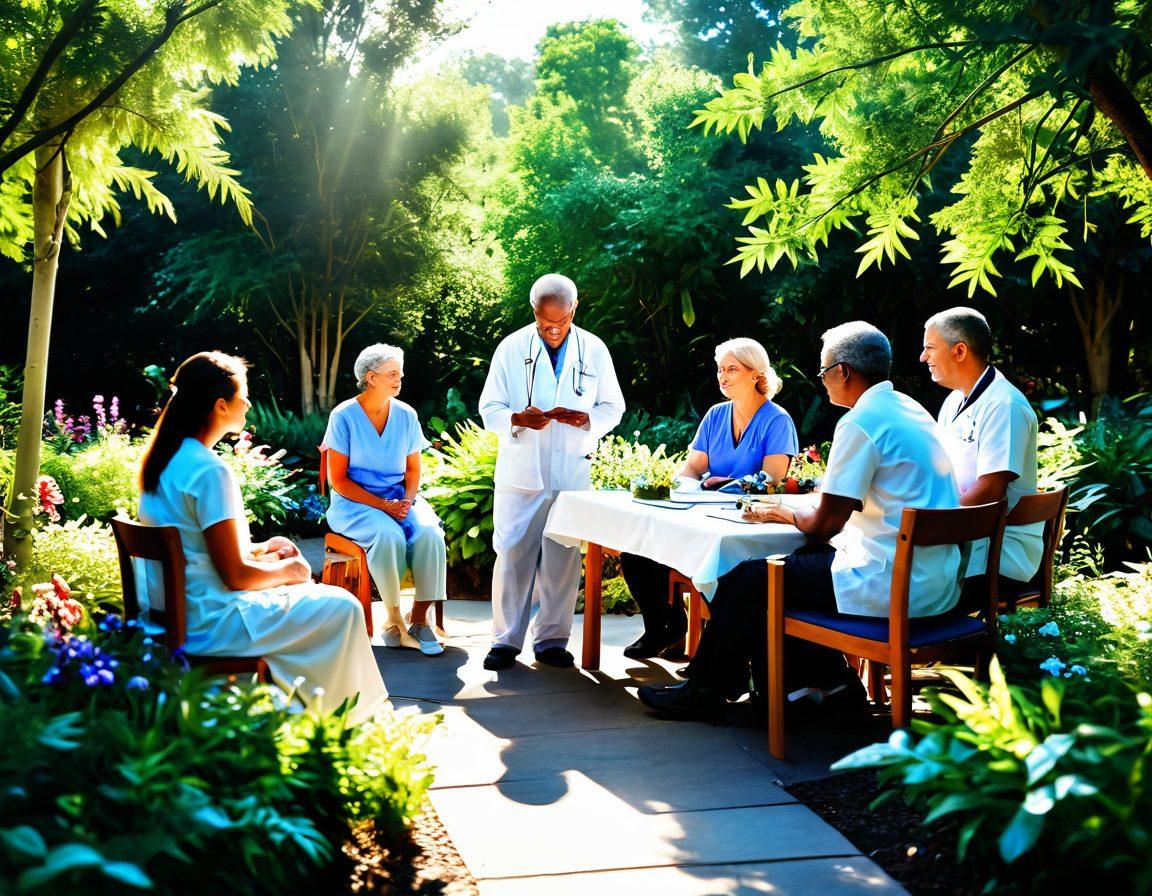
Picture this: You're sitting in a circle, sharing stories of survival and strength, each person nodding in understanding as they recount their unique experiences with cancer. This is the heart of holistic health — recognizing that while treatments like immunotherapy and clinical trials are critical, the emotional and psychological support is invaluable. Every shared story lights the path for someone else, illuminating the way for better palliative care options, self-care strategies, and ultimately, richer lives beyond the diagnosis.
The road of cancer can sometimes feel long and daunting, clouded by uncertainty; yet, within each hurdle lies a chance for education and empowerment. What choices are we making today that can influence our tomorrow? By remaining proactive in our cancer journey—be it through participating in cancer screenings, engaging in medical research, or connecting with others through survivor stories—we craft a legacy of wellness and resilience. Let’s embrace a life where we champion ourselves and gather together, using our voices to spread awareness, uplift each other, and create a brighter, healthier future.